
When working in extreme conditions, selecting the Heat-Proof Adhesives for Harsh Environments can make or break your project. Heat-proof adhesives are critical for industries like aerospace, automotive, and electronics, where temperatures can soar beyond 300°C (572°F). At GH1200, we understand the challenges of harsh environments, and in this guide, we’ll walk you through how to choose the best heat-resistant adhesive for your needs, ensuring durability and performance.
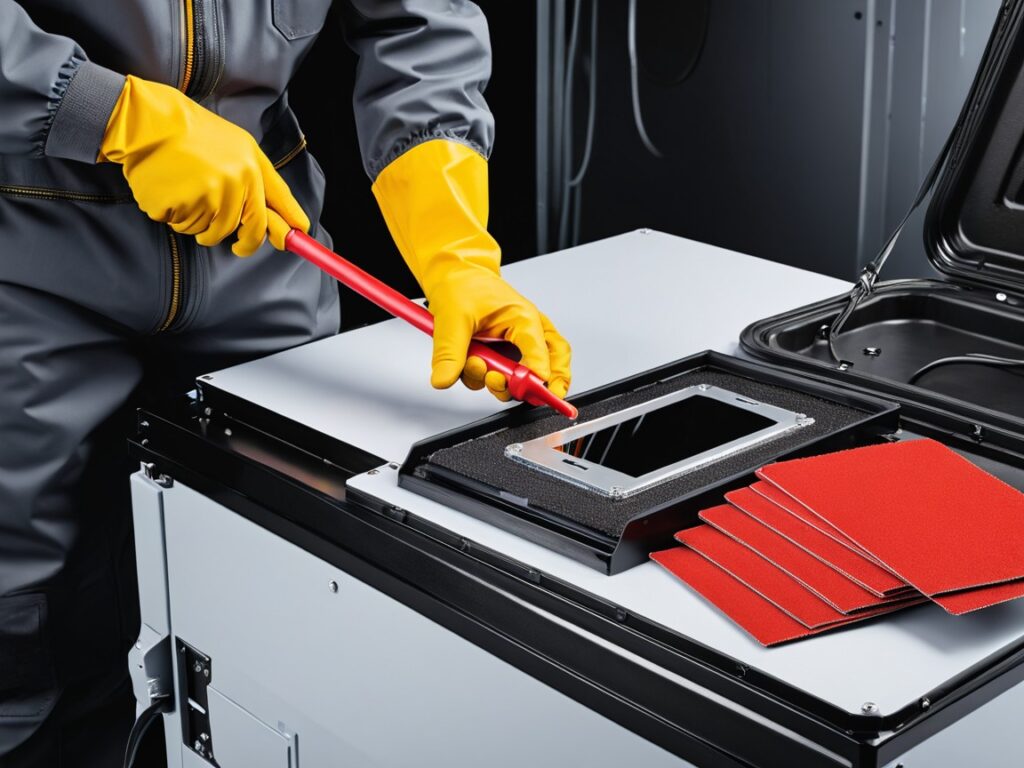
Why Heat-Proof Adhesives for Harsh Environments Matter?
Harsh environments—think high temperatures, thermal cycling, and chemical exposure—demand adhesives that won’t degrade or lose their bond. Regular adhesives often fail at temperatures above 70°C (158°F), leading to equipment malfunctions or safety hazards. Heat-proof adhesives, however, are engineered to withstand extreme heat while maintaining structural integrity. They’re essential for applications like bonding engine components, sealing electronics, or assembling aerospace parts.
Key Factors to Consider When Choosing a Heat-Proof Adhesive
Selecting the right high-shear adhesive involves more than just picking one with the highest temperature rating. Here’s what to keep in mind:
1. Temperature Resistance
Heat-proof adhesives vary widely in their temperature tolerance. Some can handle up to 260°C (500°F), while others, like polyimide-based options, endure temperatures as high as 500°C (932°F). Always choose an adhesive rated for a higher temperature than your application requires to ensure a safety margin. For example, in automotive engine compartments, where temperatures can fluctuate rapidly, an adhesive like a high-temperature epoxy (resistant up to 250°C) is a solid choice.
2. Substrate Compatibility
The materials you’re bonding play a huge role in adhesive selection. Metals, ceramics, and glass are common in high-heat applications, but some adhesives also work on plastics or rubber. Ensure the adhesive matches the coefficient of thermal expansion (CTE) of your substrates to prevent warping or bond failure during temperature swings. For instance, silicone adhesives are excellent for bonding materials with different CTEs due to their flexibility.
3. Thermal Cycling and Mechanical Stress
Harsh environments often involve repeated heating and cooling cycles, which can weaken bonds over time. Adhesives that handle thermal cycling well, like acrylics or fluorosilicones, are ideal for these conditions. Additionally, if your application involves vibration or mechanical stress (common in aerospace), opt for an adhesive with high flexibility and toughness, such as a polyurethane-based option.
4. Chemical Resistance
High temperatures often come with exposure to chemicals like oils, fuels, or solvents. Epoxy adhesives are known for their excellent chemical resistance, making them suitable for automotive and industrial applications. If you’re working in an environment with aggressive chemicals, such as in aerospace with jet fuel exposure, fluorosilicone adhesives offer superior resistance while maintaining heat tolerance.
5. Setting and Curing Time
Curing times can vary significantly. For high-volume production, UV-curable adhesives provide a rigid bond quickly, often in seconds, making them ideal for electronics assembly. On the other hand, two-part epoxies may take longer to cure but offer exceptional strength for heavy-duty applications like machinery repair. Consider your project timeline when choosing.
6. Application Method
Adhesives come in various forms—liquids, tapes, films, or B-staged epoxy cookies. For large bonding areas or complex parts, thermal adhesive films ensure uniform, void-free bondlines. In contrast, liquid adhesives are better for smaller, precise applications, such as potting electronic components. Choose a form that aligns with your assembly process.
Types of Heat-Proof Adhesives
Understanding the types of heat-resistant adhesives available can help narrow down your options:
- Epoxy Adhesives: Versatile and strong, epoxies resist temperatures from 250°C to 650°C. They’re ideal for bonding metals and ceramics in automotive and aerospace applications.
- Silicone Adhesives: Known for flexibility, silicones handle temperatures up to 260°C and offer excellent thermal cycling resistance. They’re great for sealing and bonding in electronics.
- Polyimide Adhesives: These can withstand up to 500°C, making them perfect for ultra-high-temperature environments like aerospace components.
- Cyanoacrylate Adhesives: Specialized heat-resistant cyanoacrylates can endure up to 250°C and are suitable for quick repairs on plastics and rubber.
- Polyurethane Adhesives: Flexible and durable, polyurethanes resist heat, chemicals, and moisture, making them a good fit for machinery exposed to harsh conditions.
Top Applications for Heat-Proof Adhesives
Heat-proof adhesives are used across various industries:
- Aerospace: Bonding and sealing aircraft components that face extreme temperatures during flight.
- Automotive: Securing engine parts and exhaust systems exposed to high heat and vibrations.
- Electronics: Potting and encapsulating components that generate heat, such as circuit boards and LED lighting.
- Industrial Machinery: Assembling ovens, furnaces, and boilers that operate at elevated temperatures.
Tips for best Performance
- Surface Preparation: Clean and dry surfaces thoroughly to ensure a strong bond. Remove any oils or contaminants.
- Test First: Always test the adhesive in your specific environment to confirm compatibility and performance.
- Follow Manufacturer Guidelines: Adhere to recommended curing times and temperatures for the best results.
- Consider Customization: Some manufacturers offer custom formulations to meet specific needs, such as enhanced chemical resistance or faster curing.
Why Choose GH1200 for Your Adhesive Needs?
At GH1200, we specialize in providing high-performance solutions for harsh environments. Our range of heat-proof adhesives is designed to meet the demands of industries like aerospace, automotive, and electronics, ensuring your projects stay secure under the toughest conditions. Whether you need a silicone sealant for flexibility or a polyimide adhesive for extreme heat, we’ve got you covered.
Ready to find the perfect heat-proof adhesive for your project? Contact us today to explore our products and get expert advice tailored to your needs.